
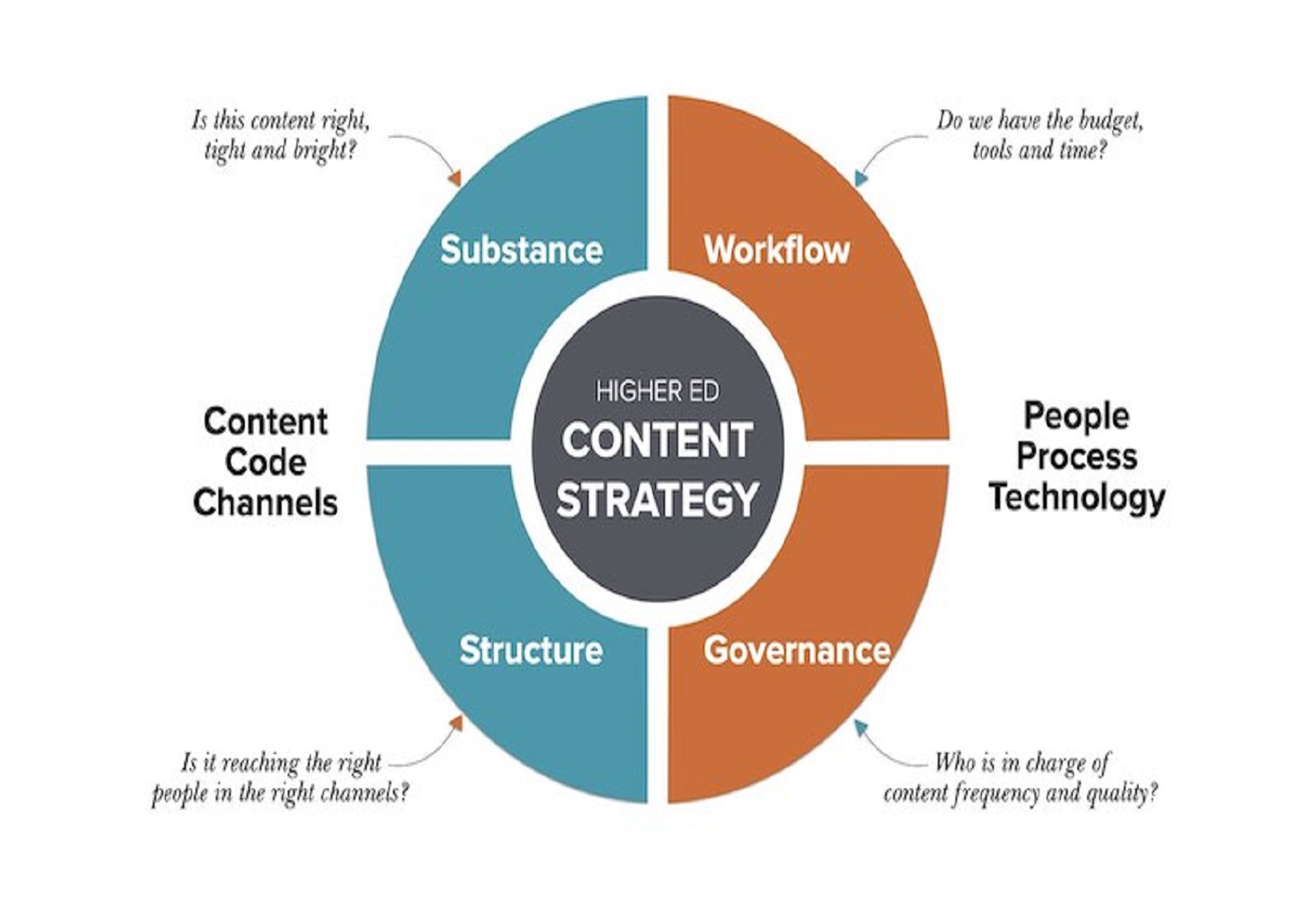
In today’s competitive digital landscape, simply creating content is no longer enough. Businesses need a well-defined content marketing strategy that not only attracts visitors but also converts them into loyal customers. Whether you’re a startup, local business, or established brand, strategic content marketing can significantly improve brand visibility, lead generation, and revenue growth.
A successful content marketing strategy involves careful planning, audience research, content creation, distribution, and performance analysis. When executed correctly, it helps businesses build trust, establish authority, and guide prospects through every stage of the buyer’s journey.
If you’re looking to maximize your online presence and generate quality leads, understanding the complete content marketing process is essential.
Why Content Marketing Matters for Business Growth
Content marketing is one of the most cost-effective digital marketing methods available today. Unlike traditional advertising, content continues to attract traffic and generate leads long after publication.
Benefits of content marketing include:
- Increased organic website traffic
- Better search engine rankings
- Higher brand awareness
- Improved customer trust
- More qualified leads
- Increased sales and conversions
- Stronger customer relationships
Businesses that consistently publish valuable content often outperform competitors who rely solely on paid advertising.
Step 1: Define Clear Content Marketing Goals
Every successful content strategy starts with clear objectives.
Ask yourself:
- Do you want more website traffic?
- Are you looking to generate leads?
- Do you want to improve brand awareness?
- Is customer retention your priority?
- Do you want to increase online sales?
Your goals will determine the type of content you create and how you measure success.
Common content marketing KPIs include:
- Organic traffic growth
- Keyword rankings
- Lead generation
- Conversion rates
- Social media engagement
- Email subscribers
- Revenue generated
Without measurable goals, it’s impossible to evaluate the effectiveness of your content efforts.
Step 2: Understand Your Target Audience
Creating content without understanding your audience is one of the biggest marketing mistakes.
Start by developing detailed buyer personas based on:
- Age and demographics
- Interests and behaviors
- Challenges and pain points
- Purchase motivations
- Preferred content formats
- Online platforms they use
The better you understand your audience, the more relevant and engaging your content becomes.
Research methods include:
- Customer surveys
- Website analytics
- Social media insights
- Competitor analysis
- Customer feedback
- Keyword research
When your content directly addresses customer problems, conversions naturally increase.
Step 3: Perform Strategic Keyword Research
Keyword research forms the foundation of SEO-driven content marketing.
Focus on identifying:
Informational Keywords
Users seeking answers and educational content.
Example:
- What is content marketing?
- How does content marketing work?
Commercial Keywords
Users comparing products or services.
Example:
- Best content marketing agency
- Content marketing services
Transactional Keywords
Users ready to take action.
Example:
- Hire content marketing expert
- Content marketing company near me
Targeting a mix of these keywords helps capture users at different stages of the buying journey.
Use keyword research tools to identify:
- Search volume
- Competition level
- User intent
- Related keyword opportunities
📞 Call / WhatsApp: 8077671794
Get FREE Consultation
Step 4: Create a Content Plan and Editorial Calendar
Consistency is critical for content marketing success.
An editorial calendar helps you:
- Maintain publishing consistency
- Align content with business goals
- Plan seasonal campaigns
- Track content performance
- Coordinate marketing efforts
Your content plan should include:
Blog Articles
Long-form educational content optimized for search engines.
Case Studies
Real-world success stories that build credibility.
Videos
Highly engaging content that increases audience retention.
Infographics
Visual content that simplifies complex information.
Social Media Content
Short-form content that drives engagement and traffic.
Email Newsletters
Content designed to nurture leads and maintain customer relationships.
A structured publishing schedule ensures continuous audience engagement.
Step 5: Create High-Quality Content
Quality always outperforms quantity.
Google increasingly rewards content that demonstrates expertise, authority, and trustworthiness.
Your content should:
- Solve real problems
- Answer user questions
- Be easy to read
- Include actionable insights
- Use credible sources
- Provide unique value
Best practices include:
Write Compelling Headlines
Strong headlines improve click-through rates and attract more readers.
Use Clear Formatting
Break content into:
- Short paragraphs
- Bullet points
- Subheadings
- Visual elements
Optimize for SEO
Include:
- Primary keywords
- Secondary keywords
- Internal links
- Meta descriptions
- Optimized images
Include Strong CTAs
Every piece of content should guide users toward a desired action.
Examples:
- Contact us
- Request a quote
- Download a guide
- Schedule a consultation
Step 6: Distribute Content Effectively
Even great content fails if nobody sees it.
Content distribution is just as important as content creation.
Promote content through:
Search Engine Optimization (SEO)
Optimize content to rank organically on search engines.
Social Media Marketing
Share content across:
- X (Twitter)
- YouTube
Email Marketing
Send valuable content directly to subscribers.
Online Communities
Share helpful content in relevant forums and industry groups.
Content Repurposing
Turn one blog post into:
- Videos
- Social posts
- Infographics
- Email campaigns
- Short-form content
This maximizes content ROI while reaching different audience segments.
Step 7: Measure Performance and Optimize
Content marketing is an ongoing process.
Monitor key metrics regularly:
Traffic Metrics
- Website visits
- Organic traffic
- Page views
Engagement Metrics
- Time on page
- Bounce rate
- Social shares
Conversion Metrics
- Leads generated
- Contact form submissions
- Sales inquiries
SEO Metrics
- Keyword rankings
- Backlinks
- Domain authority
Analyze what’s working and improve underperforming content.
Content optimization techniques include:
- Updating outdated information
- Improving keyword targeting
- Adding new sections
- Enhancing visuals
- Strengthening CTAs
Continuous optimization helps maintain rankings and increase conversions over time.
Common Content Marketing Mistakes to Avoid
Many businesses struggle because they:
- Publish without a strategy
- Ignore audience research
- Focus only on sales content
- Neglect SEO optimization
- Publish inconsistently
- Fail to track results
- Ignore content updates
Avoiding these mistakes can dramatically improve marketing performance and ROI.
Final Thoughts
A successful content marketing strategy requires much more than publishing random blog posts. It involves understanding your audience, setting measurable goals, conducting keyword research, creating valuable content, distributing it effectively, and continuously optimizing performance.
Businesses that invest in strategic content marketing often experience higher search visibility, stronger customer relationships, and increased revenue. Whether you’re building brand awareness or generating leads, a well-executed content strategy remains one of the most powerful digital marketing tools available today.
Get the Best Content Marketing Services in Noida
Facing low website traffic, poor lead generation, or weak online visibility? Don’t wait.
📞 Call / WhatsApp: 8077671794
🌐 Visit: thinkprimedigital.com
👇 Fill the enquiry form below for:
✔ Free consultation
Contact Details – ThinkPrime Digital
Address: O-789, Gaur City Center, Noida
Call/WhatsApp: +91-8077671794
Email: email@thinkprimedigital.com
Website: www.thinkprimedigital.com
Our Services: https://thinkprimedigital.com/service.html